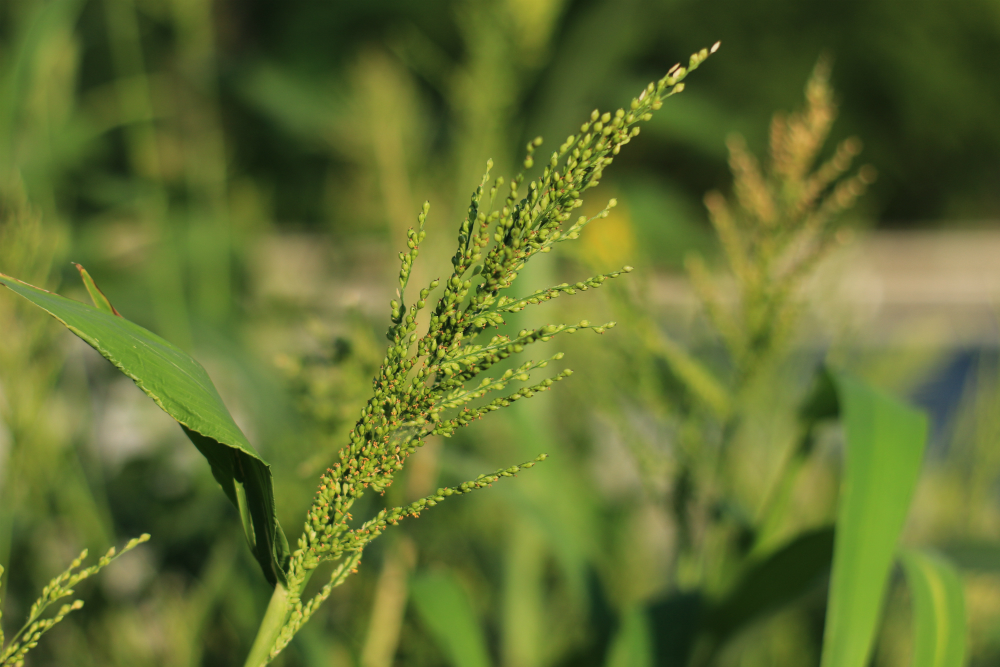
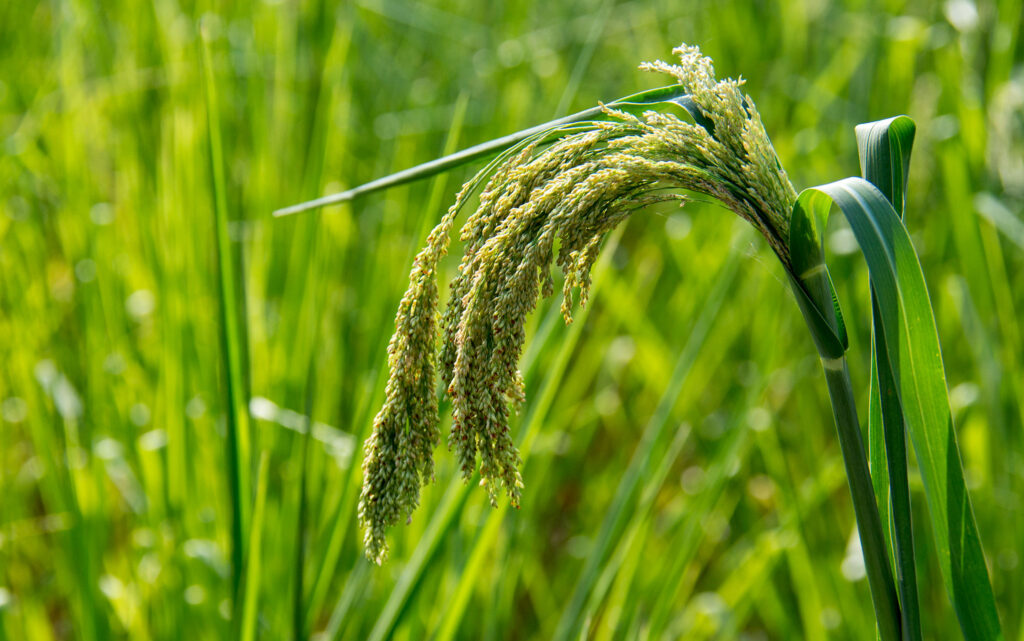
Nutritional Benefits of Millets :
Here are the important points highlighting the significance of millets for human consumption:
High protein content: Millets are a good source of protein, essential for muscle growth and maintenance.
- Rich in fiber: Millets contain fiber, which helps maintain digestive health and prevents constipation.
- Gluten-free: Millets are gluten-free, making them an excellent option for people with gluten intolerance or celiac disease.
- Rich in minerals: Millets are rich in minerals like iron, calcium, and potassium.
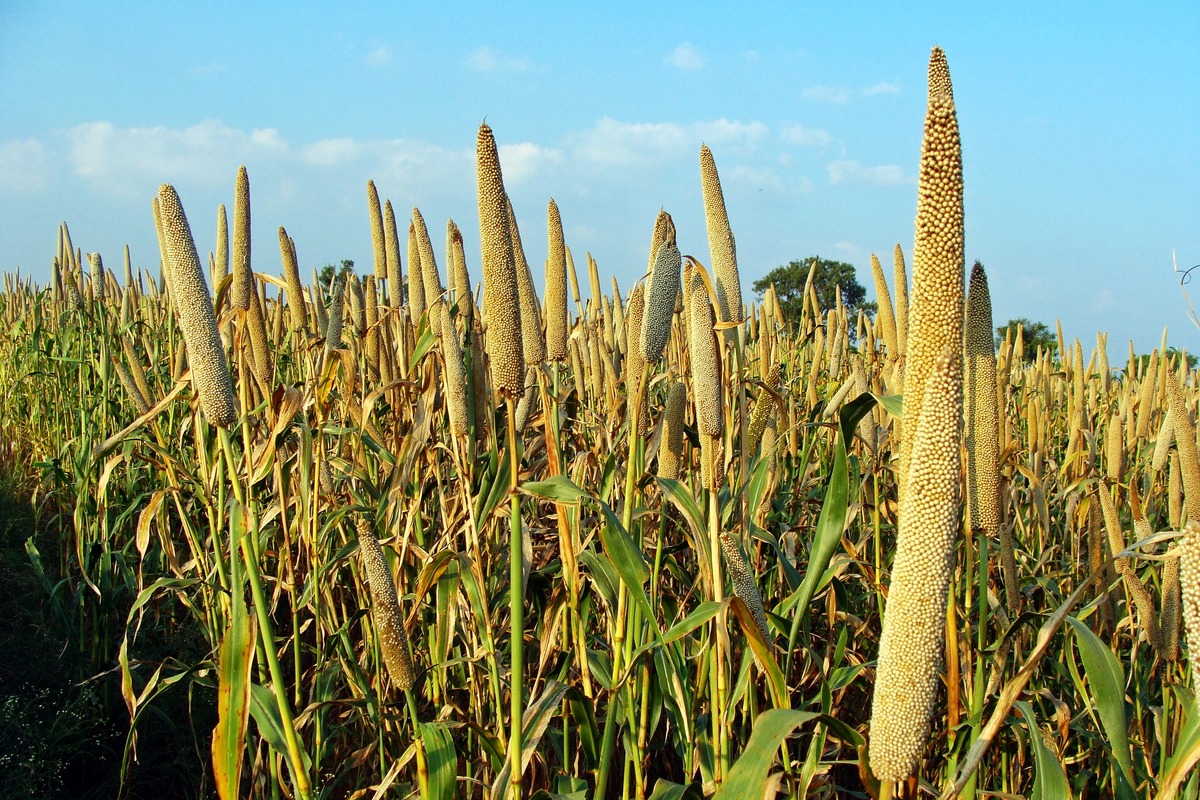
Transform your regular eating habits into HEALTHY LIFESTYLE
Health Benefits
- Helps manage diabetes: Millets have a low glycemic index, making them an excellent option for people with diabetes.
- Lowers cholesterol: The fiber and antioxidants in millets help lower cholesterol levels and reduce the risk of heart disease.
- Aids in weight management: Millets are high in fiber and low in calories, making them an excellent option for people trying to lose weight.
- Supports healthy gut bacteria: Millets contain prebiotic fiber, which helps support healthy gut bacteria.
Environmental Benefits
- Sustainable crop: Millets are a sustainable crop that requires less water and pesticides compared to other grains.
- Drought-tolerant: Millets are drought-tolerant, making them an excellent option for areas with low rainfall.
Food Security
- Increases food availability: Millets are a nutritious and versatile crop that can increase food availability, especially in rural areas.
- Supports rural livelihoods: Millet cultivation can support rural livelihoods and promote economic growth.
Cultural Significance
- Traditional food: Millets have been a traditional food source for many cultures around the world.
- Promotes cultural heritage: Promoting millet consumption can help preserve cultural heritage and traditional food systems.